Housing Disrepair

Have You Been Affected by the Closure of BPS Solicitors or Langton Law?

Have You Been Affected by the Closure of BPS Solicitors or Langton Law? If you were a client of BPS Solicitors or Langton Law, we understand..
housing disrepair claim

Housing disrepair

Introduction: Housing disrepair is a major problem in the UK, affecting millions of people every year. It refers to situations where rented properties are not maintained..
mould in rochdale

Mould in Rochdale flat caused boy’s death Coroner rules

Mould in Rochdale flat caused boy’s death Coroner rules. Today we were saddened to learn about the horrific circumstances surrounding the death of a two year..
housing disrepair

HOUSING DISREPAIR CLAIM: A GUIDE

HOUSING DISREPAIR CLAIM: A GUIDE Housing is a basic human need. It is more than just shelter. The home is the social, cultural and economic structure..
housing disrepair claim

Housing Disrepair Issues: Is your home fit for human habitation?

Housing Disrepair Issues: Is your home fit for human habitation? Did you know that up until 2019 there was no requirement for a rental property to..
housing disrepair claim

Housing Disrepair Claims – Homes (Fitness for Human Habitation) Act

Housing Disrepair Claims – Did you know that even in 2019 there is no requirement for a rental property to be fit for human habitation! Unbelievable,..

El Niño, Bad Weather and Your Rights as a Tenant

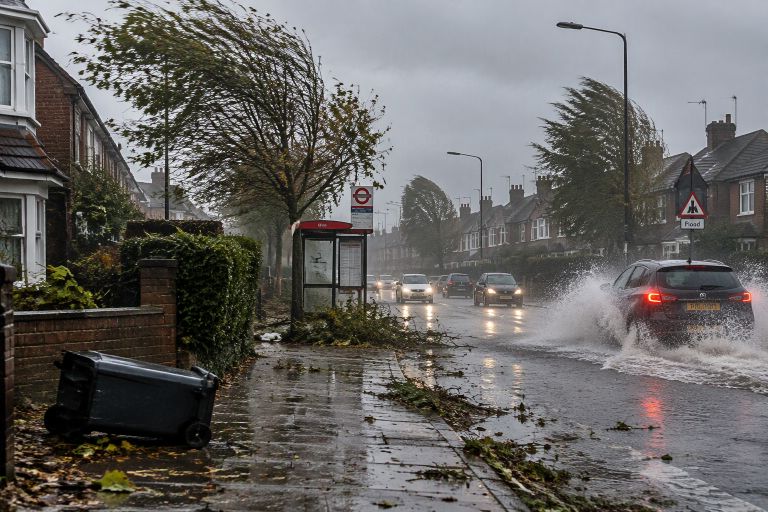
When extreme weather hits, problems in rented homes can quickly become much worse.

The developing El Niño weather pattern in 2026 is expected to bring increased risks of wet and stormy conditions in parts of the UK. Extreme or unusual weather can make existing problems more obvious but that does not mean tenants should simply accept living in poor conditions.

For tenants, periods of heavy rain and strong winds can expose existing problems in a property from leaking roofs and damp to mould, water damage and heating failures.

But bad weather does not mean tenants simply have to put up with poor living conditions.

What Are Your Rights as a Tenant?

Landlords have responsibilities to keep rented properties in a reasonable state of repair and to address problems that affect the condition and safety of the home.

This can include maintaining important parts of the property, such as the roof, walls, plumbing, heating and electrical systems.

A damaged or poorly maintained roof, for example, can allow rainwater into a property. If the problem is not dealt with quickly, this can result in damp, mould, damaged belongings and potentially more serious structural problems.

Other common repair issues tenants may experience include:

  • Damp and mould
  • Leaking roofs or pipes
  • Broken or inadequate heating
  • Water damage
  • Electrical problems
  • Broken windows or doors
  • Plumbing problems

Tenants should not be expected to live with serious disrepair indefinitely.

What Should You Do If Your Home Has a Problem?

Report the issue. Keep evidence. Follow up if it isn’t fixed.

If you notice a leak, damp, mould or another repair issue, report it to your landlord or housing provider as soon as possible.

It is important to keep a record of what you have reported. Depending on how you contacted your landlord, this could include:

  • Emails
  • Letters
  • Text messages or other messages
  • Repair reference numbers
  • Records of telephone conversations

You should also consider taking clear photographs or videos of the problem. Keep copies of everything you send and receive.

This evidence can be particularly useful if the problem continues or you later need to take further action.

Your home should be safe, suitable and properly maintained whatever the weather brings.

What If Your Landlord Doesn’t Fix the Problem?

If you have reported a repair issue and your landlord fails to address it within a reasonable period, you may be able to take further action regarding the condition of your home. In some cases, tenants may also be able to pursue a housing disrepair claim and seek compensation.

The appropriate action will depend on the circumstances, the type of tenancy you have and the nature of the problem.

At Cromptons Solicitors, we have considerable experience in handling housing disrepair claims, helping tenants hold landlords accountable for their failure to maintain safe, habitable and properly maintained homes. Our specialist team has extensive knowledge of housing conditions claims. We understand the impact that living in poor housing conditions can have on individuals and families, and are committed to securing appropriate repairs and pursuing compensation where warranted. We provide clear, practical legal advice and support throughout the claims process, putting our clients first and ensuring they are with us every step of the way.

Know your rights. Report problems. Keep evidence. Don’t ignore disrepair.


Share this post?

Categories

Recent Posts

El Niño, Bad Weather and Your Rights as a Tenant

When extreme weather hits, problems in rented homes can quickly become much worse.

The developing El Niño weather pattern in 2026 is expected to bring increased risks of wet and stormy conditions in parts of the UK. Extreme or unusual weather can make existing problems more obvious but that does not mean tenants should simply accept living in poor conditions.

For tenants, periods of heavy rain and strong winds can expose existing problems in a property from leaking roofs and damp to mould, water damage and heating failures.

But bad weather does not mean tenants simply have to put up with poor living conditions.

What Are Your Rights as a Tenant?

Landlords have responsibilities to keep rented properties in a reasonable state of repair and to address problems that affect the condition and safety of the home.

This can include maintaining important parts of the property, such as the roof, walls, plumbing, heating and electrical systems.

A damaged or poorly maintained roof, for example, can allow rainwater into a property. If the problem is not dealt with quickly, this can result in damp, mould, damaged belongings and potentially more serious structural problems.

Other common repair issues tenants may experience include:

  • Damp and mould
  • Leaking roofs or pipes
  • Broken or inadequate heating
  • Water damage
  • Electrical problems
  • Broken windows or doors
  • Plumbing problems

Tenants should not be expected to live with serious disrepair indefinitely.

What Should You Do If Your Home Has a Problem?

Report the issue. Keep evidence. Follow up if it isn’t fixed.

If you notice a leak, damp, mould or another repair issue, report it to your landlord or housing provider as soon as possible.

It is important to keep a record of what you have reported. Depending on how you contacted your landlord, this could include:

  • Emails
  • Letters
  • Text messages or other messages
  • Repair reference numbers
  • Records of telephone conversations

You should also consider taking clear photographs or videos of the problem. Keep copies of everything you send and receive.

This evidence can be particularly useful if the problem continues or you later need to take further action.

Your home should be safe, suitable and properly maintained whatever the weather brings.

What If Your Landlord Doesn’t Fix the Problem?

If you have reported a repair issue and your landlord fails to address it within a reasonable period, you may be able to take further action regarding the condition of your home. In some cases, tenants may also be able to pursue a housing disrepair claim and seek compensation.

The appropriate action will depend on the circumstances, the type of tenancy you have and the nature of the problem.

At Cromptons Solicitors, we have considerable experience in handling housing disrepair claims, helping tenants hold landlords accountable for their failure to maintain safe, habitable and properly maintained homes. Our specialist team has extensive knowledge of housing conditions claims. We understand the impact that living in poor housing conditions can have on individuals and families, and are committed to securing appropriate repairs and pursuing compensation where warranted. We provide clear, practical legal advice and support throughout the claims process, putting our clients first and ensuring they are with us every step of the way.

Know your rights. Report problems. Keep evidence. Don’t ignore disrepair.